01
Maximum
Declared figure
The maximum cash figure is a laboratory ceiling, not your useful mission time.
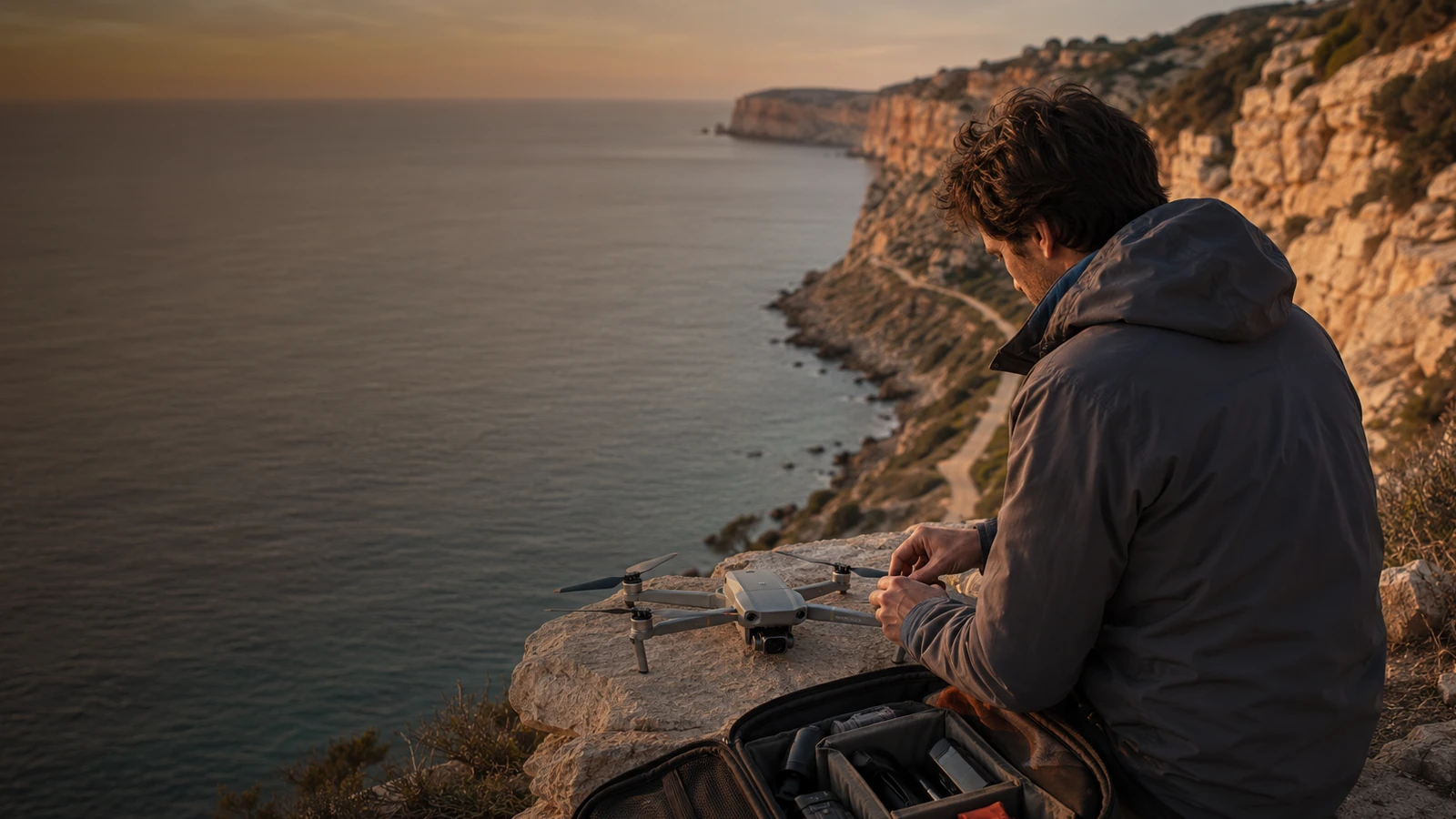
Read the tour before going into the detail. Each block answers a different question and ends in a practical check.
Declared figure
Wind, cold and maneuvers
Return and margin
Batteries, pauses and charging
Wind, speed, cold, climbs, altitude, tracking, accessories and battery status change consumption. Returning against the wind can be much more demanding than going out.
Don't plan to spend 100%. Set a conservative return point and increase the reserve when flying far, over water, in cold or changing winds.
Separates maximum declared autonomy and useful session duration. Three batteries do not equal three times the maximum figure: there are takeoffs, landings, cooling and changes.
Reading at ground level can be misleading. Observe clouds, high vegetation and height forecasts. If the drone progresses with difficulty in normal mode, return soon.
The open category is the reference for much of recreational and low-risk flying, and is divided into A1, A2 and A3. The fit does not depend on a single figure: the class marking, the weight, the distance from people and the conditions of the operation intervene. That is why a product sheet is never equivalent to a flight permit.
In Spain, it separates three questions. First, if you must register as an operator; second, what formation corresponds to the planned flight; Third, what conditions the specific geographical area imposes. CAA publishes the procedures and requirements. CAA airspace alerting guidance allows you to consult areas and warnings to plan the operation. Repeat the query before taking off: a saved capture does not necessarily reflect subsequent changes or warnings.
Work with a stable sequence: identify the aircraft and its marking, define the operation, check the pilot's competence and finish in the area. Changing the location, height, proximity to people, or purpose can change the analysis even if the drone is the same.
Also prepare the contingency. Decide before assembling engines what you will do if the signal drops, the wind increases, a person appears, the starting point changes, or the battery consumes more than expected. Auto-return is a help: your altitude, route, and landing point should make sense in that environment.
Preserve useful documentation without turning it into a still photo of reality. Manual and certificates serve to identify the equipment; The zone, warning and meteorology consultation must be repeated when appropriate. Write down date, place, configuration and any incident that should change the next flight.
In wind and autonomy: how to estimate a realistic flight, a good decision does not come from a single specification. First define the result you are looking for, identify the capacity that makes it possible and then check its limits in the real environment. Only then does it make sense to compare models or accessories.
Declared figure. Check what it provides, under what conditions it works and what limitation can change your decision.
Wind, cold and maneuvers. Check what it provides, under what conditions it works and what limitation can change your decision.
Return and margin. Check what it provides, under what conditions it works and what limitation can change your decision.
Batteries, pauses and charging. Check what it provides, under what conditions it works and what limitation can change your decision.
One battery may be enough if the plan is prepared and the area has already been checked. Keep room to repeat and land without rushing.
Two or three batteries expand the creative window, but you must account for changes, cooling, wind and travel time between locations.
On water, with cold or variable wind, it increases the reserve and establishes an early return. Maximum autonomy is no longer a planning reference.
Look for an exact model name, variant and package contents. Separate the confirmed features from the general promises and assess the cost of the complete system: batteries, control, storage, protection, spare parts and really necessary accessories.
If two products do not solve the same use, they are not comparable even if they have a similar price. If an essential piece of information does not appear in the variant documentation, consider it pending and not an advantage.
If a decision depends on the specific location, the marking of the drone or the type of operation, always confirm the case with CAA and CAA airspace alerting guidance before taking off.
Three models to continue the comparison with the criteria you just reviewed.
Editorial selection. Links to Amazon are affiliate links; confirm model, seller, availability and variant before purchasing.
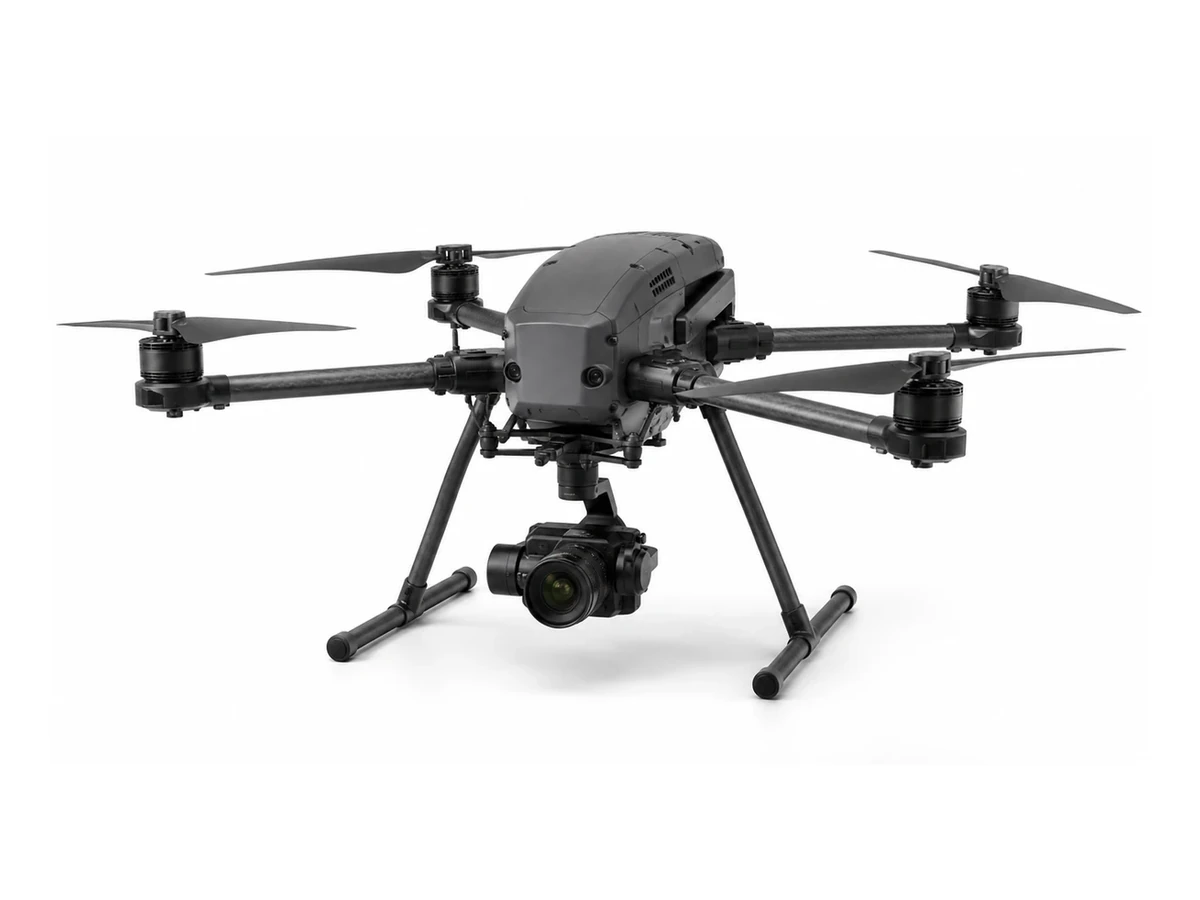 EDITORIAL REPRESENTATION
DJI Air 3S aimed at tracking, traveling and content creation. Compare weight, camera, stabilization, security and exact contents of the pack before deciding.
Add to comparison →Check the exact variant before buying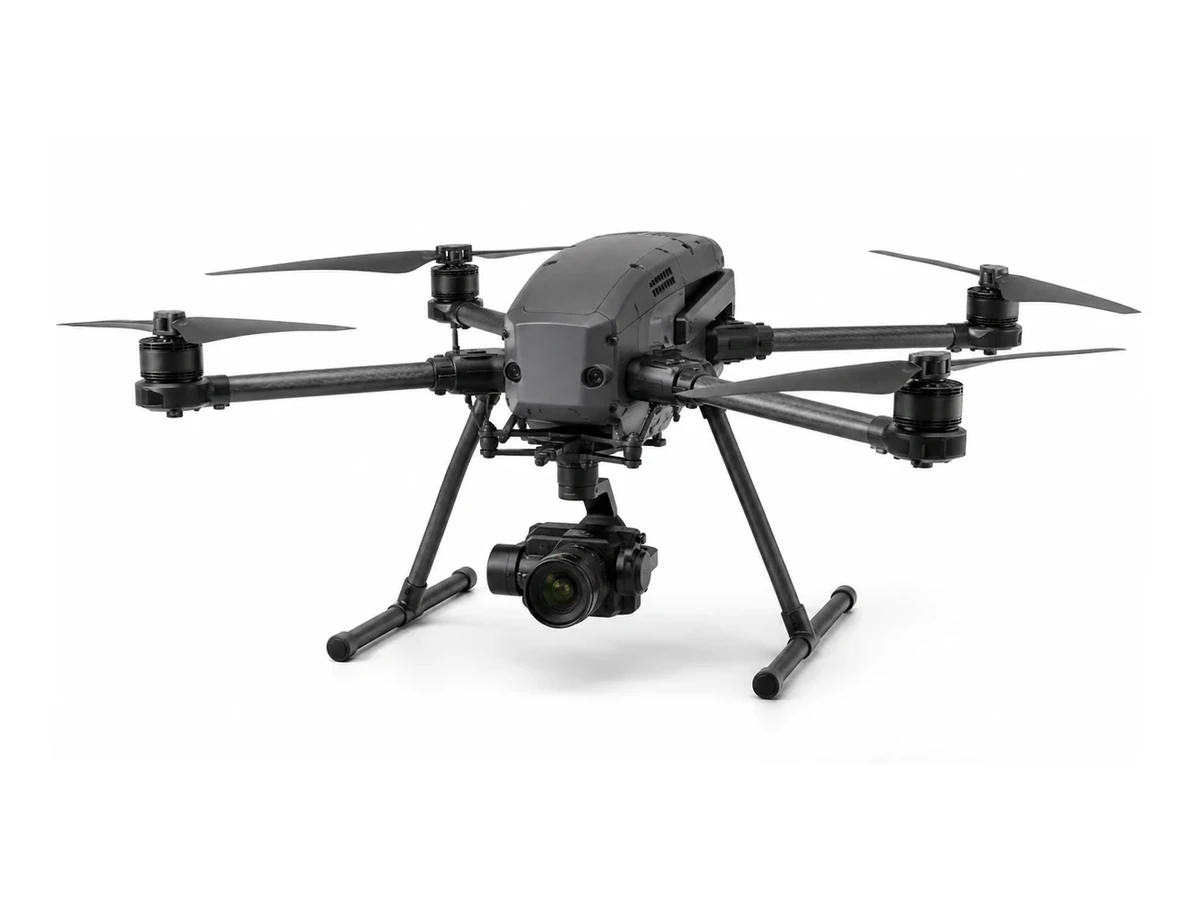 EDITORIAL REPRESENTATION
DJI Mavic 3 Pro aimed at photography, video and advanced audiovisual work. Compare weight, camera, stabilization, security and exact contents of the pack before deciding.
Add to comparison →Check the exact variant before buying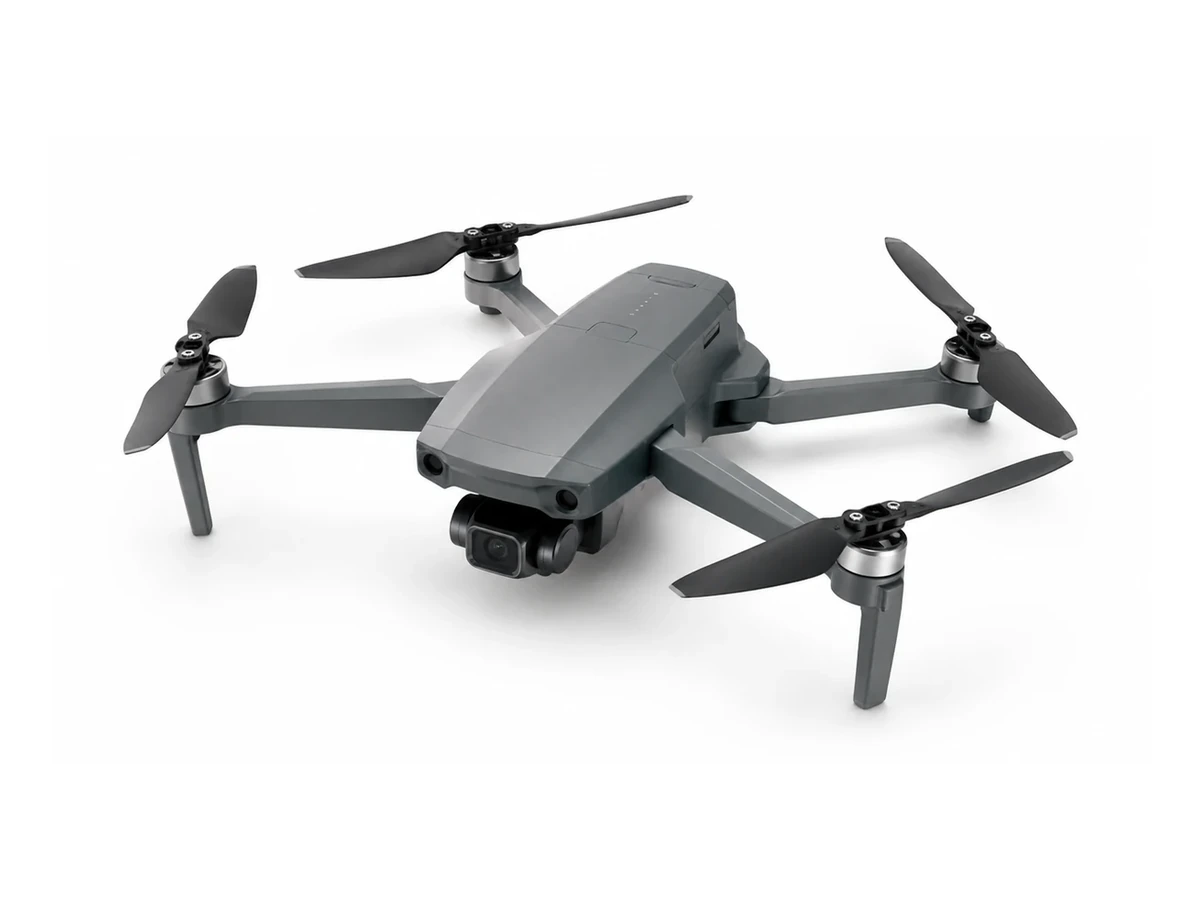 EDITORIAL REPRESENTATION
DJI Mini 4 Pro aimed at tracking, traveling and content creation. Compare weight, camera, stabilization, security and exact contents of the pack before deciding.
Add to comparison →Check the exact variant before buying